The Half-Level Dividend: Why Bond Street Is Re-Measuring Its In-Between Space

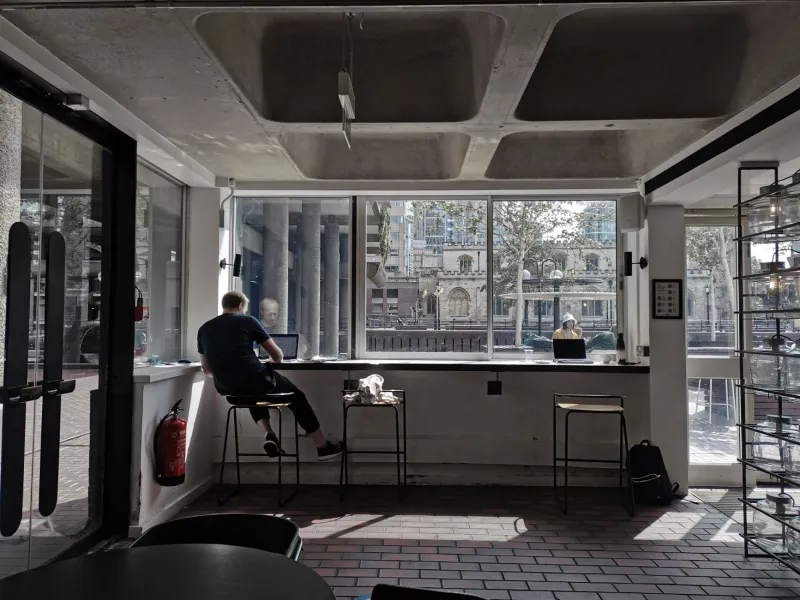
Photo: VirtuallyLondonBecky, CC0, via Wikimedia Commons
As of November 2026, the most closely watched square footage on Bond Street may not be at street level at all. It is the half-flight above it. For years, mezzanine levels, upper-ground ancillaries and awkward interstitial floors were treated as secondary accommodation: stockrooms, staff areas, occasional client suites or simply space that made the principal selling floor feel more generous. That assumption is now being tested. With prime frontage scarce and flagship requirements becoming more exacting, the half-floor is being re-measured, reconsented and, in some cases, repriced as trading accommodation.
The shift is easy to describe and harder to value. A mezzanine can add selling space without adding a new address. It can allow a brand to present a fuller range, create a private client area or introduce hospitality without sacrificing the ground-floor shopfront. But calling that space full-rent real estate requires more than installing a staircase and a lighting scheme. It requires planning consent, building control sign-off, an accessible route, a fire strategy and lease definitions that make clear what the tenant is actually paying for.
From ancillary to trading accommodation
The traditional Bond Street mezzanine was not designed for public use. Many were inserted into double-height ground floors to provide back-of-house space, with limited head height, a single narrow stair and no independent means of escape. In leasing particulars they appeared as ancillary areas, often excluded from the headline retail area or valued at a discount. That treatment made sense when the ground floor did the work and the upper level merely supported it.
The change in 2026 is being driven by the economics of the flagship. Brands want more customer-facing space on Bond Street, but they do not want to pay for floors that feel disconnected from the shopfront. A well-designed mezzanine can bridge that gap. It can host appointment rooms, fragrance or jewellery salons, a café or a presentation area while keeping the ground floor uncluttered. For landlords, the appeal is equally clear: the same building envelope can produce a higher rental tone if the interstitial space is recognised as part of the trading area.
The measurement question
The first battleground is measurement. Retail floor areas in the UK are not always quoted on a single basis, and the treatment of mezzanines can vary between agency particulars, valuation models and lease schedules. A landlord may quote a lower ground-floor rent per square foot while including the mezzanine in the overall area, producing a higher total rent without an obvious headline increase. A tenant may accept the total but argue that the mezzanine should be discounted because it is less visible, less accessible or less efficient.
Valuers are now paying closer attention to the quality of the additional area rather than its simple existence. A mezzanine with good head height, a direct customer route and a clear sightline from the entrance is not the same as a low-ceilinged deck reached by a service stair. The former can support trading and may justify inclusion in the retail area. The latter remains ancillary in all but name. The distinction matters for rent reviews, investment yields and the comparables that underpin both.
Consent, compliance and the cost behind the rent
Planning is the second test. Bond Street sits within a highly sensitive Mayfair context, and increasing the usable floorspace of a building can raise questions about intensity of use, heritage impact and servicing. Westminster City Council has generally been supportive of retail vitality, but consent is not automatic. Listed buildings and conservation-area frontages require particular care, and a mezzanine that becomes public trading space may trigger requirements that were never contemplated when it was used for storage.
Building control is equally important. Public access brings fire safety, means of escape, ventilation, accessibility and floor-loading considerations. A mezzanine that works as a staff area may not work as a customer area without additional investment. Those costs sit behind the rent. If a landlord is seeking a full-rent tone for the half-floor, tenants will reasonably ask who pays for the upgrade and how the service charge treats the additional area. The answer should be documented before the lease is signed, not discovered at fit-out stage.
Does the extra space create value?
The commercial case is genuine but conditional. For a flagship, additional selling space can improve dwell time, allow a fuller product presentation and support the appointment-led retailing that now defines much of Bond Street. In that sense, the mezzanine can add value to the whole building rather than merely redistribute it. A brand that can receive clients upstairs, host events or present a category in a dedicated setting may trade better than one confined to a single floor.
But extra space does not automatically produce extra turnover. If the mezzanine is hard to reach or poorly configured, it may simply move sales from the ground floor to an upper level without increasing the total. In valuation terms, that is redistribution rather than creation. The test is marginal: does the additional square footage generate enough incremental sales to cover the fit-out, the rent and the operational cost? For some occupiers the answer will be yes. For others, the half-floor will remain a useful amenity rather than a full trading floor.
A more disciplined market
The outlook for 2026 is therefore more disciplined than exuberant. Landlords are right to revisit mezzanine space, but they should do so with clear evidence: consented use, measured area, compliant access and a lease that defines the tenant’s rights and obligations. Tenants should test the space as they would any other trading floor, with attention to customer flow, staff efficiency and the cost of compliance. Valuers, meanwhile, should resist treating all additional area as equal.
The half-level dividend is real, but it is not universal. On Bond Street, the mezzanine is moving from the margins of the lease to the centre of the valuation debate. The winners will be those who can show that the space works as retail, not simply that it exists.