The Hush in the Ledger: Acoustic Separation and the Re-rating of Upper Bond Street
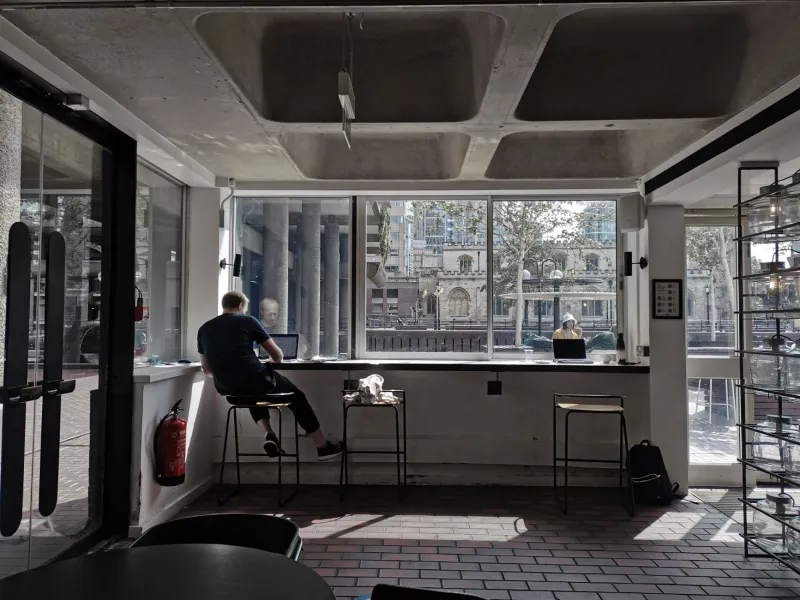
Bond Street has long been valued by what can be seen: the width of the frontage, the cadence of footfall, the quality of the shop window. Yet the upper floors of the district are increasingly being judged by what can be heard. In 2026, acoustic separation — the capacity of a building to keep train rumble, delivery noise, plant hum and ground-floor hospitality out of residential and office space — has moved from a technical footnote to a live item on the valuation and letting agenda.
That shift is not confined to the most expensive apartments. It affects office floors above retail, serviced accommodation, private clinics and the growing number of upper-floor uses that depend on concentration and calm. For landlords, the question is no longer whether a building is quiet in the abstract. It is whether the quiet can be measured, warranted and priced.
From nuisance to metric
Acoustic performance used to be handled late in a fit-out, often after a tenant complained. Today it is more likely to appear in due diligence. Acoustic consultants are asked to model external noise, structure-borne vibration and internal service noise before a lease is signed. The output is not merely a comfort report; it is a risk document. It informs rent, incentive, capital expenditure and, in some cases, whether a proposed use is viable at all.
The change reflects the nature of Bond Street’s upper floors. Many were built for storage, staff or modest office use. Their windows, floors and service risers were not designed for the mixed economy now occupying them. A residential tenant expects sleep; an office occupier expects speech privacy; a clinic expects confidentiality. Each requirement imposes a different acoustic standard. A single building may need to satisfy all three.
The anatomy of the noise
The sources are varied and unevenly distributed. Elizabeth Line trains, which have run beneath the area since 2022, generate low-frequency vibration that can travel through structure rather than air. Delivery bays produce short, sharp peaks at the times when streets are least forgiving. Plant equipment — chillers, extract fans, lifts and generators — can create continuous background noise and tonal hum. Ground-floor hospitality adds music, extract systems, bottle bins and late-night footfall. Refuse and recycling collections add another rhythm.
These sources do not respond to a single remedy. Secondary glazing may reduce airborne noise but does little for vibration entering through the frame. Floating floors and resilient mounts can address structure-borne transmission but are disruptive and expensive to retrofit. Duct attenuators and plant isolation can remove a persistent hum that no amount of window upgrading will cure. The most effective schemes combine measures, and they are best designed before the ceiling is closed or the floor is laid.
What the work costs, and what it returns
Acoustic upgrades are rarely cheap, and their returns are not uniform. Practitioner estimates for secondary glazing in a prime London building can run from a few thousand pounds per window for straightforward units to materially more where heritage consent, bespoke joinery or restricted access apply. Structural isolation, floating floors and plant remediation can reach five or six figures per floorplate. A full acoustic strategy for a mixed-use building may require specialist modelling, site testing and post-completion verification.
The return appears in several forms. The most direct is rent: upper-floor office space with demonstrable acoustic performance can appeal to occupiers for whom concentration is a productivity issue, including professional services, wealth management and technology teams. Residential upper floors can command a premium where quiet is evidenced rather than asserted. The indirect return is equally important: fewer voids, fewer complaints, lower turnover and a reduced risk of disputes over service charges or alterations. In a market where tenants are more forensic about building performance, an acoustic report can shorten a letting cycle.
Yet the arithmetic is not automatic. A landlord who spends heavily on acoustic separation in a building with poor floorplates, awkward access or weak natural light may not recover the outlay. The value comes when quiet is paired with other prime attributes and when the specification is visible to the market. Certification, test data and clear lease drafting turn an invisible improvement into a transactable one.
The lease clause frontier
Lease negotiations are where acoustic ambition meets legal reality. Landlords are increasingly asked to give warranties about base-build performance, particularly in mixed-use buildings where residential and commercial tenants share a structure. Tenants, in turn, are seeking clearer obligations on plant maintenance, delivery management and the hours of ground-floor operations. The contentious words are often ‘quiet enjoyment’, ‘ambient noise’ and ‘material interference’. Each can mean different things to a surveyor, a lawyer and an acoustic engineer.
A more workable approach is to define a baseline. That may involve agreed decibel limits at specified times, a schedule of permitted plant noise, or a requirement for post-fit-out testing. Service charge allocations also matter: if a landlord funds acoustic remediation, tenants will want to know whether it is a capital item, a repair or an improvement. Clear drafting reduces the risk of later argument, but it also imposes discipline on landlords. A warranty is only as good as the building’s actual performance.
The 2026 test
The quiet premium is not a passing fashion. It reflects a deeper re-rating of upper-floor space in prime London. As retail floors become more experiential and hospitality more widespread, the upper floors must work harder for their income. Office occupiers are more selective about ambience; residential buyers are more attentive to sleep and privacy; and institutional investors are more alert to the risks of nuisance claims and retrofit costs.
Bond Street will not become silent. It is a working district, and its vitality depends on deliveries, servicing and evening trade. The point is not to eliminate noise but to separate it from the spaces where it is least welcome. In 2026, that separation is becoming a measurable asset — one that sits alongside floor area, ceiling height and frontage in the ledger of prime London value.