Bright Lights, Shared Bills: The Financing Anatomy of Bond Street's Festive Display
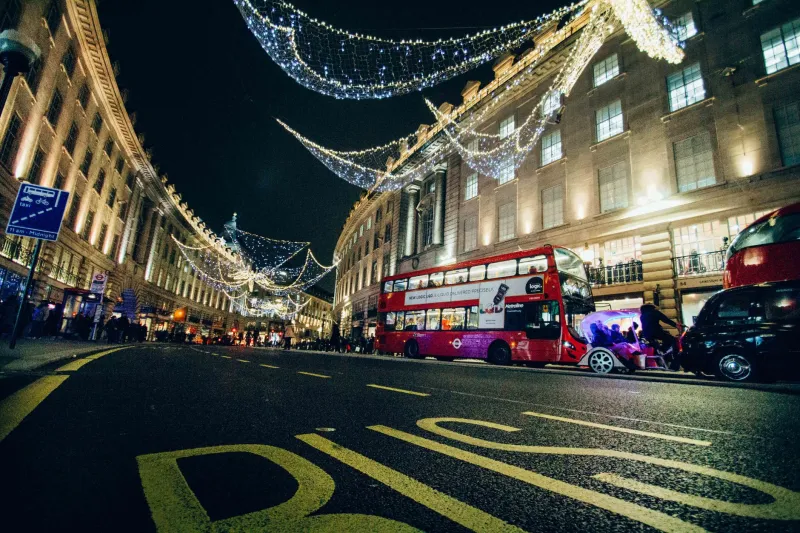
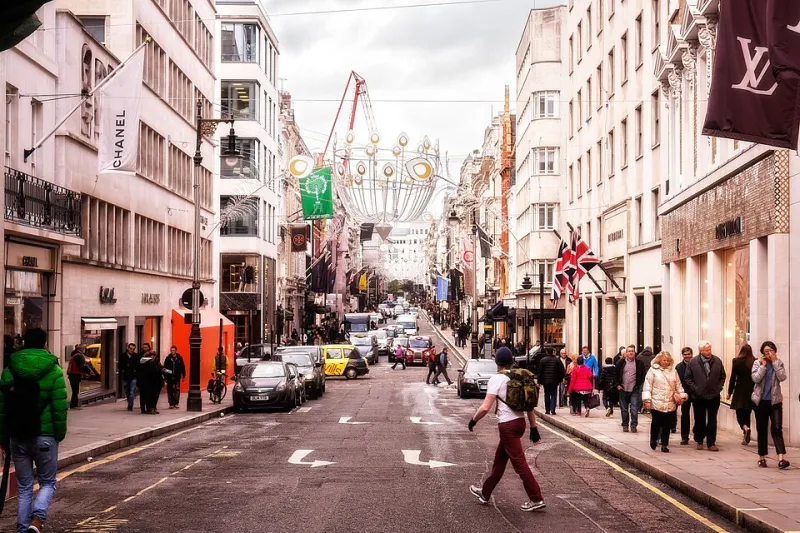
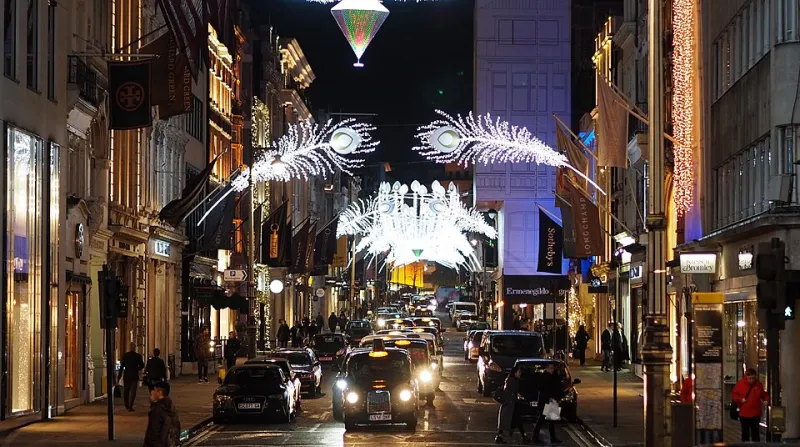
The switch-on is, by design, a moment of pure theatre. Crowds gather, cameras flash, and Bond Street presents itself as the capital's most polished festive stage. Yet behind the illuminations lies a commercial machinery that is rarely visible to the public: a funding stack of business improvement district levies, landlord contributions, sponsorship and in-kind support. As the 2026 display is activated, the pertinent question for owners, occupiers and investors is not whether the lights look impressive. It is who ultimately pays for them, and what the district receives in return.
The Funding Stack
Bond Street sits within the New West End Company business improvement district, a structure that aggregates contributions from eligible businesses through a levy on business rates. That levy is mandatory for premises above a threshold within the BID area, and it funds a range of services from cleansing and security to marketing and events. The Christmas lights are one line within that broader programme, albeit a highly visible one. Alongside the levy, major landlords make voluntary contributions, often through service charges or direct expenditure, while sponsorship and media partnerships offset a portion of the cost.
The precise split is rarely published in full, and for good reason: the display is both a public amenity and a commercial asset, and the parties involved negotiate their contributions accordingly. Westminster City Council provides support in kind, notably around highways permissions, traffic management and safety, but the capital cost of the installation itself is borne largely by the private sector. In 2026, those costs face familiar pressures: energy, insurance, installation labour, security and the engineering required to hang increasingly complex fixtures across a working street.
What Retailers Get Back
The case for the display rests on three returns: footfall, media value and prestige. Footfall is the most tangible. Festive lighting extends dwell time after dark and gives visitors a reason to linger on a street that already benefits from the Elizabeth Line entrances at either end. For retailers with ground-floor frontage, that additional dwell time can translate into conversion. For upper-floor occupiers, offices and investors without a direct consumer interface, the benefit is less immediate and harder to attribute.
Media value is the second return, and the most contested. Broadcast coverage, social media impressions and the international imagery of a lit Bond Street all contribute to the district's brand. But media value estimates are notoriously elastic, and they rarely survive rigorous scrutiny. A more defensible measure is the display's role in maintaining rental tone: a street that looks vibrant in December is easier to let in January. Prestige, the third return, is real but intangible. It supports the positioning of Bond Street as a global luxury destination and reinforces the case for premium rents, even if the causal chain is difficult to prove.
The Arms Race Question
Bond Street does not light up in isolation. Regent Street, Oxford Street, Carnaby and Covent Garden all compete for festive attention, and each year the pressure to exceed the previous display intensifies. That dynamic has the characteristics of an arms race: costs rise, differentiation narrows, and the collective benefit is shared across a district that individual occupiers cannot easily opt out of funding. The BID model spreads the burden, which is its strength, but it also means that levy payers may question whether their contribution is proportionate to their benefit.
There is a counterargument. Christmas lighting is a defensive expenditure as much as an offensive one. If Bond Street dims while neighbouring districts brighten, it cedes festive footfall and the media coverage that accompanies it. In a prime retail market where global brands choose locations partly on visibility, allowing the street to appear less competitive in December carries a cost of its own. The question is therefore not whether to switch on, but how to govern the escalation. Multi-year procurement, shared sponsorship and transparent budgeting are the obvious levers.
Lessons for Other High Streets
Smaller high streets cannot replicate Bond Street's model, but they can learn from its discipline. The first lesson is that collective funding requires collective metrics. If levy payers are asked to contribute, they should receive credible reporting on footfall, media reach and commercial outcomes, not merely anecdotal reassurance. The second is that sponsorship must be integrated early, rather than treated as a late-stage gap-filler. The third is that procurement should be multi-year where possible, to give suppliers certainty and to control costs.
Bond Street's festive display is, in the end, a capitalised expectation. It is an annual bet that the street's brand remains worth the bill, and that the bill is shared fairly among those who benefit. In 2026, the lights will shine regardless. The more searching question is whether the governance and measurement behind them are keeping pace with the cost.