The Last Three Metres: Why Bond Street's Streetscape Now Sets the Rent
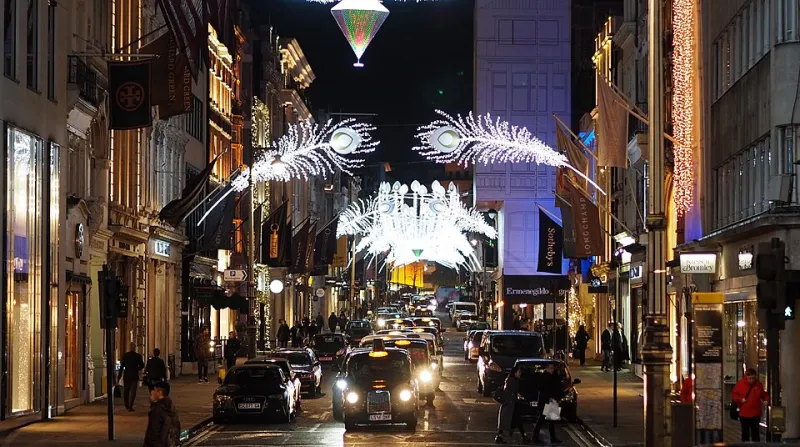
Photo: Paul Pitman, CC BY 2.0, via Wikimedia Commons
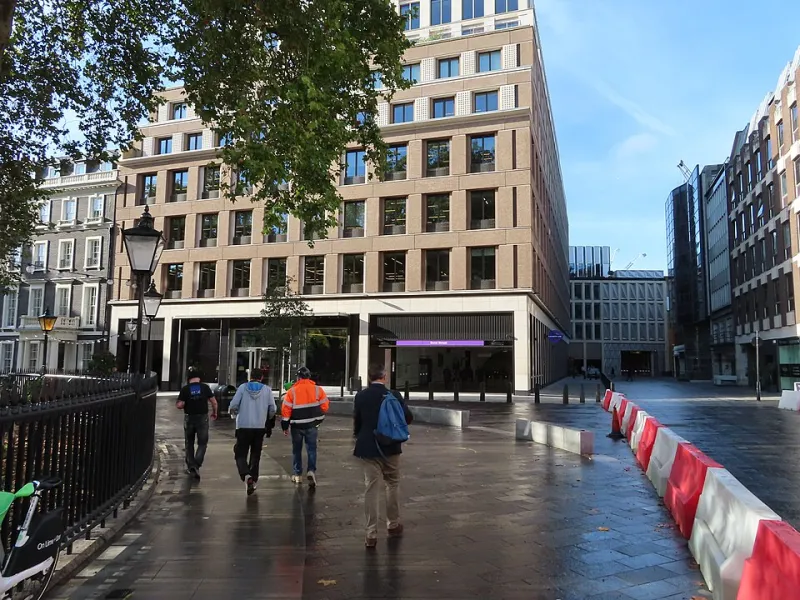
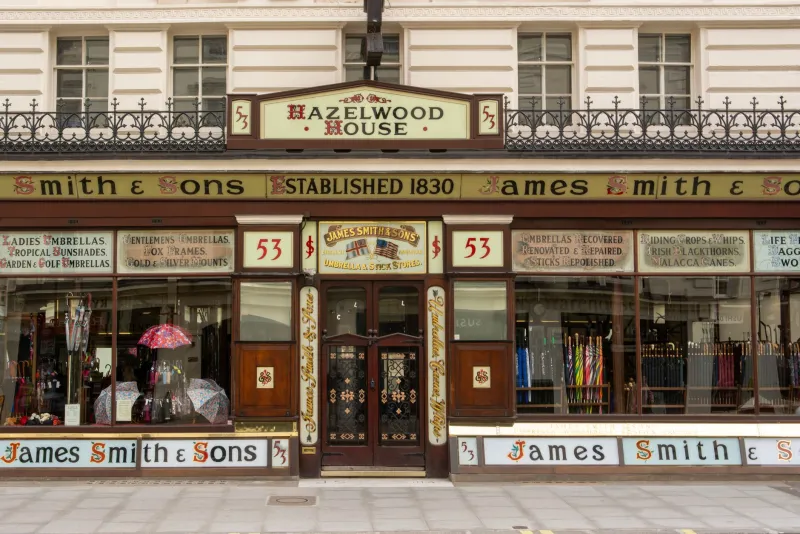
Walk the length of Old Bond Street and New Bond Street on a wet Tuesday in November and the shopfronts will tell you one story; the pavement will tell you another. Behind the glass, the fit-outs are immaculate - marble, brass, considered lighting, an entrance sequence choreographed to within an inch. Underfoot, the story is more uneven: cracked flags, temporary barriers, a lamp column blocking sightlines, a cluster of bollards that funnels pedestrians into a single narrow channel outside a store paying one of the highest rents in Europe.
That mismatch matters more than it used to. For most of the past decade, prime retail value on Bond Street was defended through the shopfront: a flagship refurbishment, a new fascia, a mezzanine, a redesigned window. Those decisions still count. But as the street approaches a 2026 investment cycle in which landlords, Westminster City Council and the New West End Company will all be committing capital, the balance of evidence is shifting. The quality of the public realm - lighting, seating, greening, wayfinding, waste management and the sheer width of clear pedestrian space - is becoming a rent-setting variable rather than a civic nicety.
The economics of the last three metres
The last three metres of a customer's journey, from kerb to threshold, are the cheapest part of the street to improve and the most expensive part to get wrong. A well-maintained pavement with generous clear width, consistent level access and unobstructed sightlines supports dwell time, browsing and photography - the three behaviours that prime retailers now model most closely. A cluttered or poorly lit one does the opposite, and it does so disproportionately: shoppers do not file complaints about a blocked gully, they simply take a different route next time.
For investors, the implication is straightforward. Two units on the same street, in similar buildings, with similar frontages and comparable lease terms, can trade at meaningfully different rents if one sits on a stretch where the pavement is wide, well-lit and actively managed and the other does not. Appraisers have long adjusted for position along the street; the case now is for a more explicit adjustment for public realm quality, alongside the traditional factors of corner position, transport adjacency and pitch.
Footfall is made of small decisions
Bond Street's footfall is not a single tide. It is the aggregate of thousands of individual decisions made by visitors about which side of the street to walk, where to pause, where to cross, and whether to linger at the northern end near Oxford Street or drift south towards Piccadilly. The Elizabeth Line has changed the geometry of those decisions, drawing new pedestrian currents through Davies Street and Hanover Square, but the quality of the surface those currents flow across has not kept pace everywhere.
This is where the street's geography becomes commercially interesting. Bond Street is, in effect, two streets with a shared name. Old Bond Street and the southern stretch of New Bond Street carry a different pitch, a different tenant mix and a different rhythm of footfall from the northern blocks. Treating the public realm as a single Westminster asset, maintained to a single specification, risks under-serving the stretches where premium rents justify premium surroundings - and over-serving those where the commercial case for extra investment is thinner.
Who pays for the kerb?
The awkward question is always funding. Public realm improvements generate a benefit that is partly captured by landlords, partly by occupiers and partly by the wider city, and the free-rider problem is real. A landlord who pays for better lighting outside their own unit improves the trading environment for three neighbours who did not contribute. That is why the most credible model for the next phase is not unilateral landlord spend but structured co-investment: BID-funded programmes, Section 106 and Community Infrastructure Levy contributions tied to specific schemes, and estate-level masterplans in which the major freeholders - Grosvenor, the Howard de Walden Estate, the Pollen Estate and their peers - coordinate rather than compete.
Westminster City Council has shown willingness to work in partnership on highway and footway schemes, and the al fresco licensing regime has already demonstrated that the kerbside can be reallocated quickly when the commercial case is clear. The next step is to make that partnership systematic rather than scheme-by-scheme, with a published specification for Bond Street's public realm that developers and investors can price into their appraisals from the outset.
A 2026 agenda for the street
Four priorities stand out for the year ahead. First, lighting: consistent, low-glare, well-directed illumination that flatters façades after dark without turning the pavement into a runway. Second, clear width: a disciplined approach to street furniture, signage and utility boxes, so that the effective footway is protected even as the number of kerbside demands grows. Third, greening and seating: modest, well-maintained interventions that extend dwell time and soften the street's hard edges, particularly at the northern end. Fourth, data: a shared evidence base on footfall, dwell and pedestrian flow, so that investment decisions are made on measurement rather than instinct.
None of this is glamorous. It will not feature in a launch campaign and it will not sell a penthouse. But it will determine, block by block, which stretches of Bond Street command the strongest rents in 2026 and which quietly slip into the second tier. The shopfront gets the photograph; the pavement gets the rent.