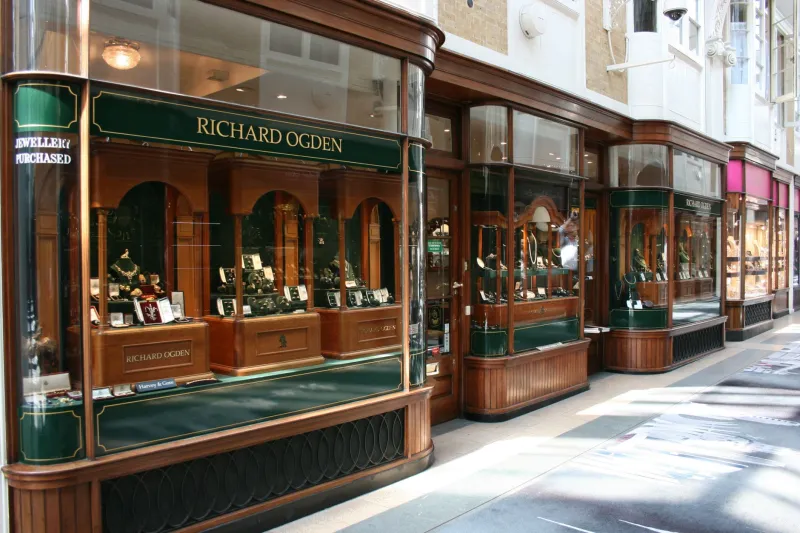
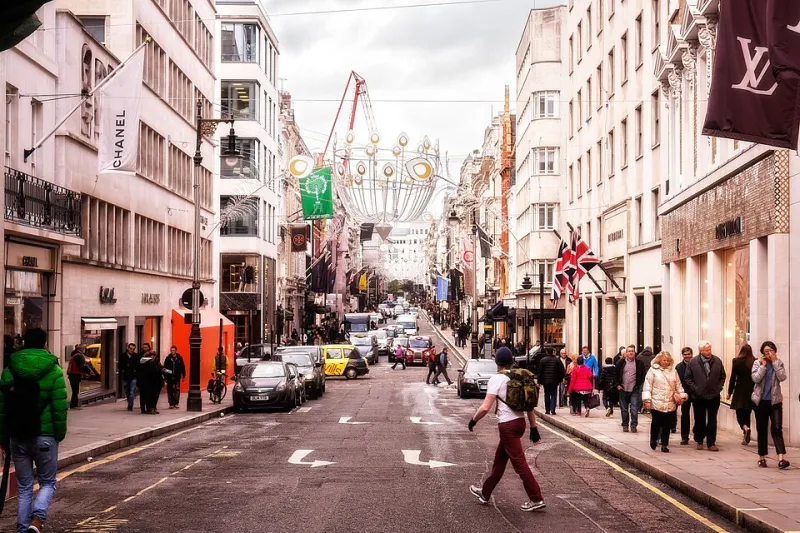
Curation Over Checkout: The Quiet Re-rating of Bond Street’s Flagship Floorplates
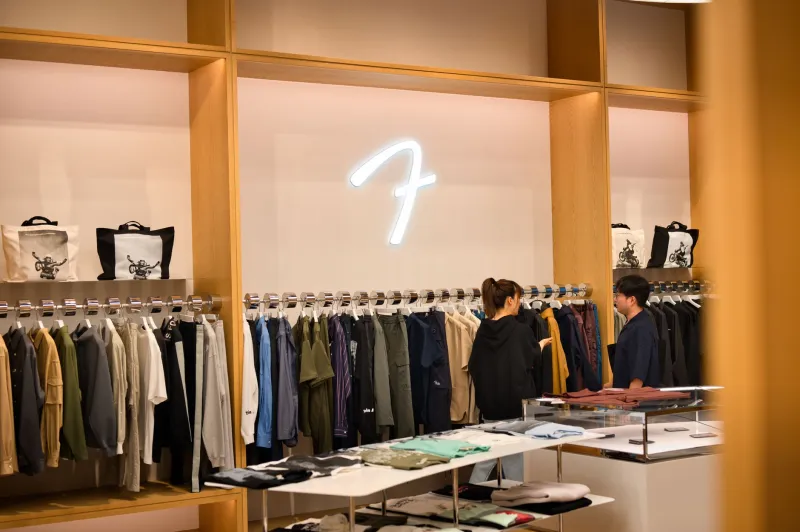
The flagship store has rarely been a simple shop. On Bond Street, the best examples have long operated as brand embassies: part gallery, part private client salon, part theatre of provenance. What is changing in 2026 is the extent to which some of the newest and most valuable floorplates are being designed to sell very little at all.
The showroom turn is no longer a niche
For watch and jewellery houses, appointment-led selling is familiar. A client is received, a piece is presented, and the transaction may be concluded later or elsewhere. What is now spreading across the street is a broader model in which fashion, beauty and lifestyle brands allocate prime ground-floor space to installations, content capture, hospitality and repair or personalisation ateliers. Stock is displayed, but the store’s principal function is to create a branded encounter rather than to complete a sale on the premises.
This is not a rejection of commerce. It is a reclassification of the store within the brand’s cost base. The flagship becomes a marketing asset, a customer-acquisition channel and a physical anchor for an online or client-adviser-led sales model. For the brand, the logic is clear: prime London rents are high, but so is the value of a Bond Street address when it is used to generate content, host clients and signal permanence to a global audience.
For the landlord, the implications are less straightforward. A store that sells little may still be a strong covenant, but it does not produce the sales density that traditional turnover-linked lease structures were designed to capture.
Rent arithmetic when the till is quiet
Prime retail leases in London have increasingly blended base rent with turnover top-ups. The appeal is obvious: the landlord shares in the upside of a successful trading location, while the tenant pays a lower fixed burden in weaker years. But the model assumes that turnover is measurable and that the store is the primary point of sale.
Experience-led flagships complicate both assumptions. If a customer tries a product in Mayfair but buys online, or through a client adviser in Paris, or in another store, the Bond Street floorplate has contributed to the sale without recording it. The tenant may argue that turnover rent should be calculated on a narrower local basis. The landlord may argue that the flagship is part of a wider brand ecosystem and that the lease should capture some of that value. Neither position is easy to audit.
The result is a quiet re-rating of risk. Landlords can still demand strong base rents for the best pitches, particularly where the covenant is a global luxury house. But the income is increasingly fixed rather than participation-led. In valuation terms, that may look safer in the short term, yet it removes the landlord’s share of trading growth. It also makes the asset more sensitive to covenant strength and less responsive to the street’s commercial performance.
Does a street of showrooms still trade?
The trading-identity question is genuine. Bond Street’s footfall depends on a mixture of destination shopping, browsing and impulse. If too many ground floors become appointment-only galleries, the street risks losing the incidental visitor who arrives without a booking and leaves with a purchase. That visitor is not the luxury house’s core client, but they are part of the ecosystem that supports cafés, smaller retailers and the general sense of a living commercial street.
There is a counter-argument. Experience-led flagships can increase dwell time, encourage repeat visits and create the social media content that sustains global relevance. A street that is merely transactional can feel functional; a street with theatre can feel culturally alive. The balance is what matters. A handful of sell-less flagships can strengthen Bond Street’s identity as the apex of luxury. A street composed mainly of them would begin to resemble a permanent exhibition, with all the fragility that implies for service charges, business rates and neighbouring traders.
Planning and use-class questions also sit in the background. A store that operates principally as an events space, café or content studio may not sit comfortably within traditional retail permissions. Westminster City Council has shown willingness to engage with innovative retail formats, but landlords should not assume that a brand’s experiential vision automatically translates into an unimpeachable planning position.
The investment case: income quality over theatre
For investors, the experience premium is not a simple positive. A global brand committing to a long lease on a Bond Street flagship can improve an asset’s covenant profile and support prime yields. But if the lease is short, the turnover mechanism is weak and the landlord has contributed heavily to fit-out, the asset may be carrying more operational risk than the headline rent suggests.
The better structures are likely to be hybrid. A base rent provides certainty; a turnover top-up, carefully defined to include attributable online and client-adviser sales, shares some of the omnichannel upside. Shorter rent-review cycles, fit-out obligations and clear reinstatement terms protect the landlord’s capital position. Most importantly, the lease should recognise that the flagship is not merely a shop but a brand asset, and that the landlord is entitled to share in the value it creates.
As of November 2026, the direction of travel is clear. Bond Street’s next generation of flagships will sell less on the floor and more through the brand. That can strengthen the street’s prestige, but only if the leases are written to capture the experience premium rather than merely underwrite the theatre.